
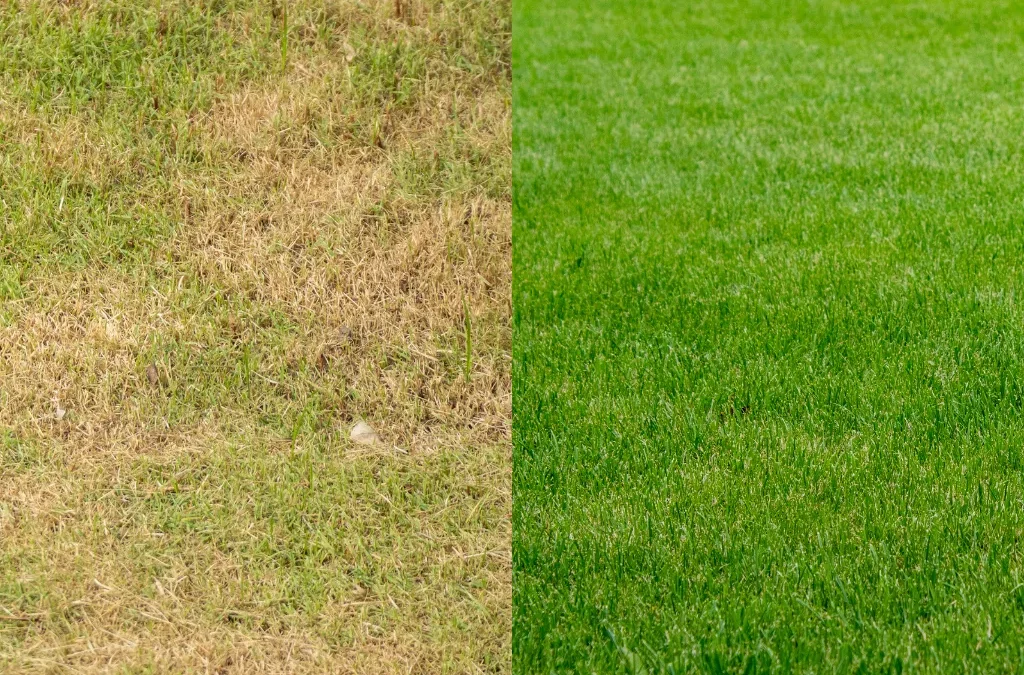
Lush, green grass is what people associate with summer–it’s what people picture around backyard barbecues, kids playing outside, or next to a pool on a hot day. The reality is that green grass actually struggles in summer. While it’s the time we want that vibrant green lawn the most, heat and inconsistent moisture can quickly stress it.
So, although it may seem contradictory, keeping the lawn green in summer heat takes a bit more effort. The good news? With the right approach, you can still maintain exactly that.
Why Grass Struggles in Summer Heat
Heat Stress Can Cause Grass to Go Dormant
Grass may look tough, but it’s surprisingly sensitive to extreme heat. When the temperature increases, the moisture becomes limited, and the grass switches into survival mode by slowing down growth and turning brown to conserve water and energy. But this dormant state isn’t necessarily dead. As long as the roots are healthy, your lawn can bounce back when the conditions return to normal.
Common Summer Lawn Problems in Pittsburgh
As a homeowner in Pittsburgh, you should be familiar with the common summer lawn problems to understand how to get green grass in the summer, as follows:
- Heat and Humidity: Pittsburgh is known for its hot, humid summers. The combination can overwhelm cool-season grasses. Even with watering, the grass can still suffer if temperatures remain high for a long time.
- Fungal Disease: When there’s humidity, there’s fungus. You may notice fungal disease as circular or irregular brown patches that spread quickly.
- Inconsistent Rainfall and Drought Cycles: Pittsburgh summers can swing between heavy rain and dry spells, inconsistently. Too much water can lead to shallow roots and disease, while too little causes drought stress.
- Weed Takeover: Don’t confuse weed with grass. Weeds like crabgrass thrive in summer heat–often better than your grass. While they may resemble healthy turf, they indicate your lawn is under stress.
The Difference Between a Dry Lawn and a Damaged Lawn
A dry lawn isn’t a dead lawn. During summer, your grass may look brown or dull white while the roots remain alive. Your grass may feel crispy underfoot, or your footprints may linger after you walk across it. Even though it doesn’t look good, a dry lawn can still recover once it receives consistent watering and temperatures begin to cool.
A damaged lawn, on the other hand, is totally different. It goes beyond temporary dryness and is usually caused by pests, disease, heavy foot traffic, or prolonged neglect. Instead of a uniform brown color, you may see bare or thinning patches, grass that pulls up easily, or areas that don’t respond to watering at all. In these cases, unfortunately, your lawn won’t bounce back on its own.
How to Get Green Grass Starts with Healthy Lawn Basics
Know Your Grass Type
Before we dive into how to keep the lawn green in summer heat, you should know your grass type. In Pittsburgh, most lawns are composed of cool-season grasses, such as bluegrass or ryegrass. These grasses naturally thrive in spring and fall, but struggle with scorching heat. So, it’s normal for them to slow down, lose some color, or even go dormant. On the other hand, we also have warm-season grasses, like Bermuda, that are built for heat but may turn brown during cooler months.
Start with a Soil Check
Healthy, green grass starts with healthy soil. No matter how much you water or fertilize, your lawn can only thrive if the soil supports it. A simple soil check can give you a lot of information. First, look at how your soil behaves, whether water can soak easily or pool on the surface. Water that drains too quickly may not retain moisture, but compacted soil also prevents water, air, and nutrients from reaching the roots.
Next, test your soil’s pH and nutrient levels. To do this check, you can use an at-home kit or a local extension service. Most grasses prefer slightly acidic to neutral soil, so the imbalances may limit how well they can absorb nutrients. Once you start on the right foot, everything else–watering, mowing, and feeding- becomes more effective.
Build a Routine Instead of Waiting for Problems
How to keep lawn green in summer heat doesn’t mean reacting to problems; it means staying ahead of them. Instead of waiting for your grass to turn brown or thin, build a simple routine that includes regular watering, mowing, and light maintenance. With consistency, your lawn is much better equipped to handle heat and stay green throughout the season.
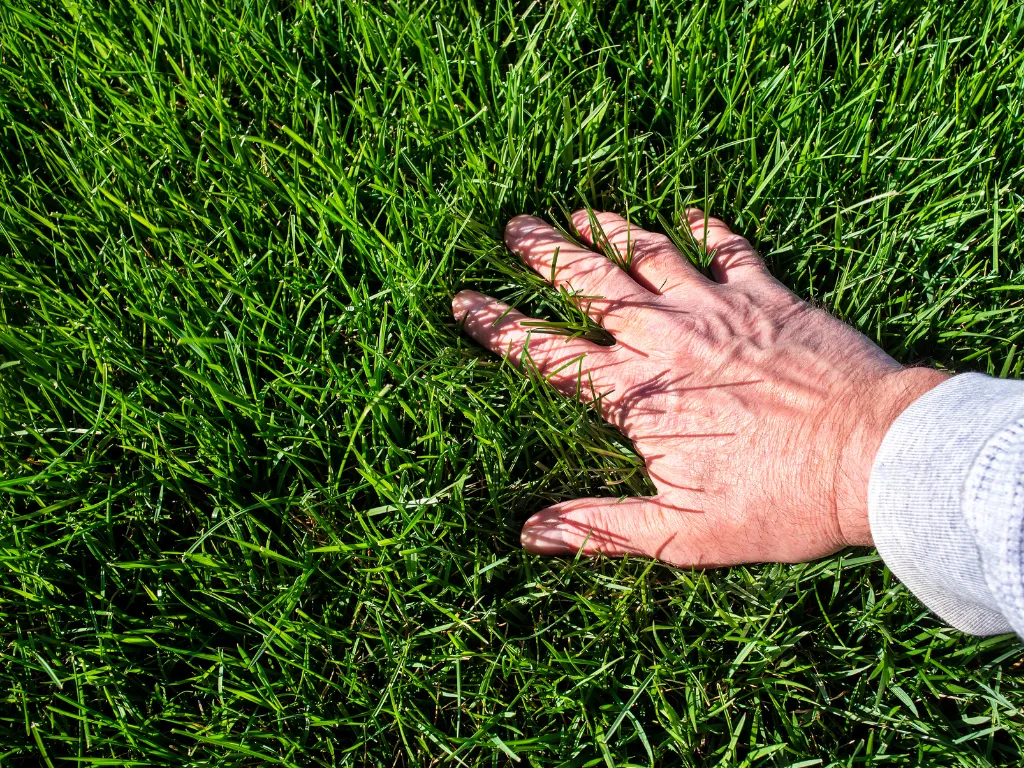
Simple Lawn Care Habits That Help Keep Grass Green
Improve Soil Over Time
Healthy soil doesn’t happen overnight. You need to work on the basic foundation, which is your soil. Adding organic matter like compost, aerating compacted areas, and using the right fertilizer gradually strengthen your soil. Over time, this helps your lawn hold moisture better, grow deeper roots, and stay greener—even during summer heat.
Use the Right Lawn Tools
Using the right gardening tools can make a big difference in keeping the lawn green in the summer heat. Sharp mower blades, for example, cut cleanly instead of tearing the grass, which helps prevent browning. Another is a proper sprinkler or irrigation system that ensures even watering. When your tools are in good shape, your lawn handles summer stress a whole lot better—and your job becomes much easier too.
Pay Attention to Sun and Shade
Not all parts of your lawn receive the same amount of sunlight, so you need to treat them accordingly. Naturally, areas with full sun may dry out faster, requiring more frequent watering. On the contrary, shaded spots, not so much, as they tend to stay damp and struggle with thin growth. So, pay attention to these differences and give your lawn a better chance of staying green this summer.
Stay Consistent Through Heat Waves
We can’t avoid heat waves; that’s why our tips on how to keep lawn green in summer heat also include how to pull through during summer’s most challenging times, the heat waves. Sudden changes can shock your grass. The key is to stick to your watering and mowing routine, rather than skipping or overcorrecting altogether.
Mow the Right Way to Protect Grass from Summer Stress
Mowing the right way can give you the right outcome. Cut your grass slightly taller to make natural shade for the soil and retain moisture. Follow the easy-to-remember, one-third rule: never remove more than a third of the grass blade at a time. Next, mow during the cooler parts of the day, like early morning or evening, to reduce stress on both your grass and yourself. Also, don’t forget about your mower–sharp blades create clean cuts, while dull blades tear and lead to browning.

Feed Your Lawn the Right Way During Summer
It’s easy to associate lush, green grass with heavy fertilizing—but more isn’t always better. In fact, applying too much fertilizer during summer can stress your lawn or even cause burning, especially for cool-season grasses. Instead, use a lighter touch. Applying fertilizer sparingly helps support steady, healthy growth without overwhelming your grass during the heat. We also recommend fertilizing during cooler periods, as you do with watering, and watering right after.
Prevent Summer Lawn Damage Before It Starts
Reduce Heavy Traffic on Stressed Grass
Beyond focusing on how to get green grass, think about how to prevent it from dying in the first place. Constant walking, playing, or moving furniture will make things worse for already-stressed grass, leading to bare or compacted spots. Giving those areas a break—or rotating how you use them—can help your lawn stay healthier through the heat.
Manage Weeds Before They Take Over
Weeds love to take advantage of a stressed lawn, and once they spread, they’re hard to stop. Weeds can undo all the hard work you’ve done in following our “How to Get Green Grass” guide by competing for water and nutrients. The only solution is to stay ahead of them by removing early and giving your grass proper care so it stays healthy, leaving less space for weeds.
Watch for Lawn Pests and Disease
Summer heat and humidity can make your lawn more vulnerable to pests and disease. Watch for unusual spots, discoloration, and grass that lifts easily from the soil—all of which can be caused by issues such as grubs or fungal infections. Catching these problems early makes them much easier to manage before they spread and cause more damage.
Do Not Ignore Bare or Thin Spots
Bare or thin spots are early signs that your lawn is struggling, and they won’t fix themselves if left alone, or worse, give way to weeds taking over. Taking care of these thin spots early through loosening the soil, adding seed if needed, and keeping the area consistently watered may take a little effort now, but it pays off with a fuller, healthier lawn later.
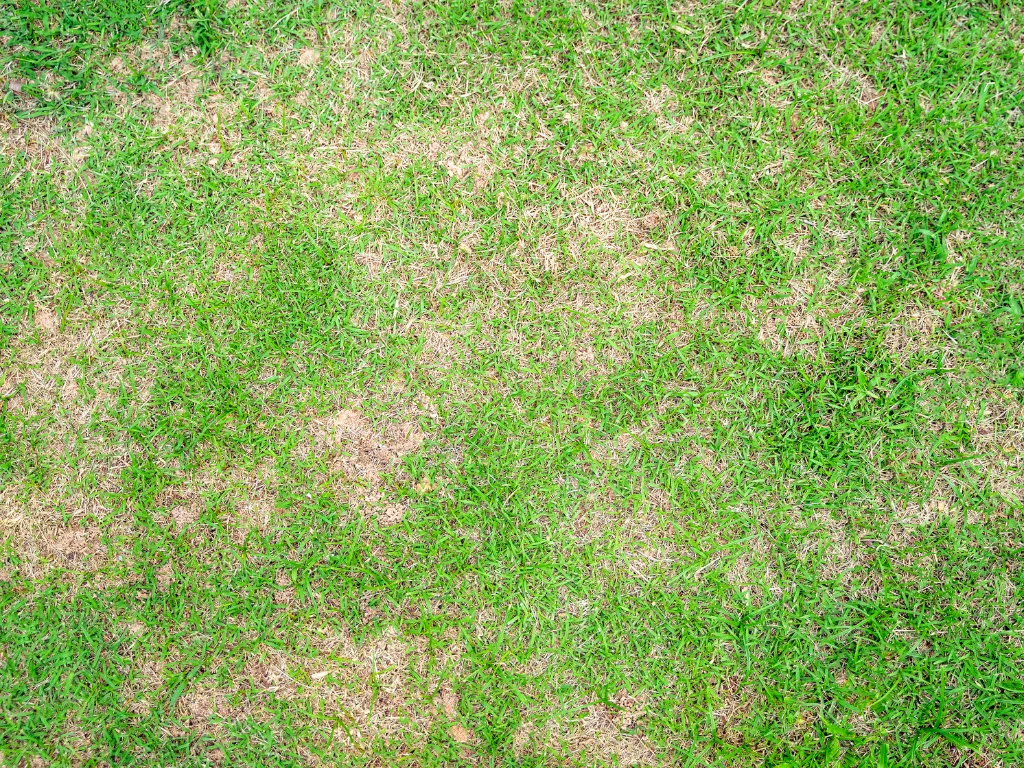
Seasonal Lawn Recovery Tips if Your Grass Is Already Brown
What if your grass has already turned brown? Don’t freak out. Sometimes, your grass has the resiliency to bounce back quickly. Instead of looking for quick fixes, focus on steady recovery by watering consistently, reducing stress, and avoiding over-fertilizing. And if some areas don’t improve, don’t worry—plan for fall repair, when cooler temperatures make it easier to reseed and restore your lawn.
How Johnson’s Ace Hardware Can Help You Keep Your Lawn Green
Having the right support makes all the difference. As part of a locally owned network, Johnson’s Ace Hardware focuses on providing you with tools and guidance for your specific lawn conditions. Whether you’re dealing with summer stress, patchy grass, or just trying to maintain that healthy green look, stopping by our store gives you access to both the tools and the know-how to get it done right.
Final Thoughts
Keeping your lawn green in summer heat isn’t about one quick fix—it’s about understanding how your grass responds to stress and staying consistent with the basics. From knowing your grass type and improving your soil to mowing properly and avoiding over-fertilizing, each small step adds up.
The key takeaway is simple: a healthy lawn is a resilient lawn. When you focus on steady care instead of reacting to problems, your grass is much more likely to stay green—even during the toughest summer conditions.
FAQs
How do I get green grass fast in the summer?
Focus on deep watering, mowing higher, and reducing stress—results come with consistency, not instant fixes.
How often should I water my lawn in summer heat?
About 2–3 times per week, water deeply rather than lightly.
Why is my grass turning brown even though I water it?
It may be heat stress, dormancy, pests, or disease—not just lack of water.
Should I fertilize my lawn in the summer?
Only lightly, if needed. Too much stress can burn your grass.
Can brown summer grass turn green again?
Yes—if it’s dormant, it can recover. If it’s damaged, it may need repair.
Recent Comments