
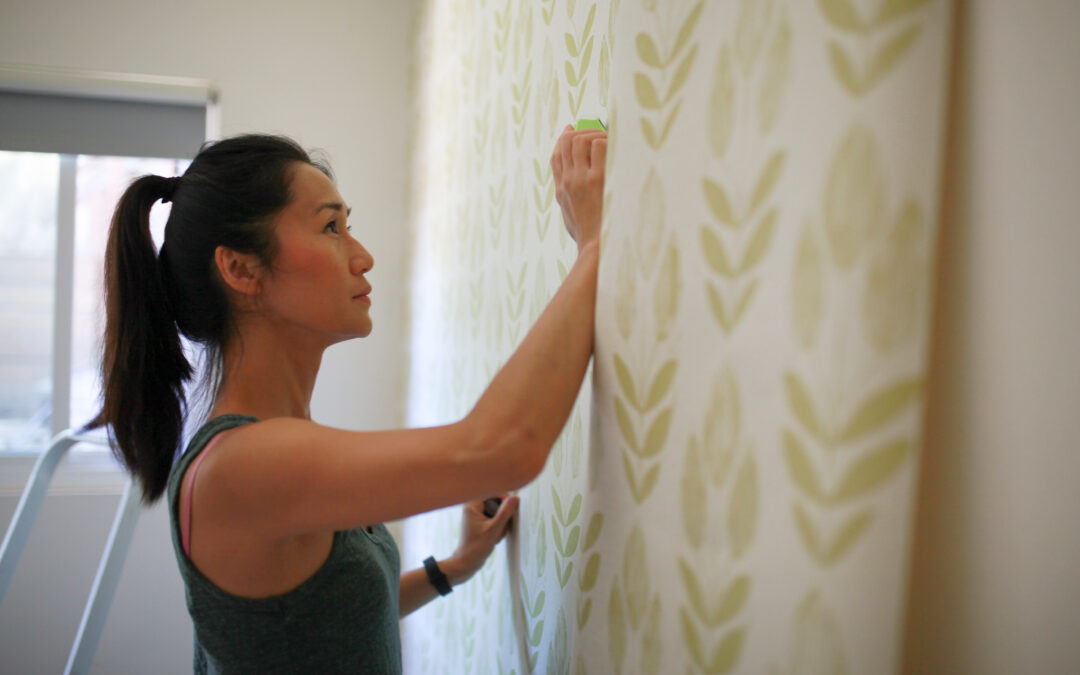
How to create an accent wall in your home? First choose a wall that already serves as the focal point. Next, choose a color, wallpaper, or wood texture that creates a contrasting look to the other walls. As part of the preparation, clean the surface, patch holes, and tape the edges, then apply two coats of paint or install your material, and let it dry completely before hanging decor.
Adding accent walls is one of the fastest ways to change a room without having to engage in a full renovation project. This is because you don’t need a lot of time and work, but it has a big visual impact. It’s so appealing that accent walls have become a major 2026 home improvement trends.
If you need help or guidance, Johnson’s Ace has you covered on how to create an accent wall in your home.
What Is an Accent Wall?
An accent wall is a single wall or part of a wall that stands out from the rest of the room, resulting from different colors, textures, or patterns. The main purpose of an accent wall is to give an anchor to the space, which guides the eye to a specific focal point, such as behind your bed or a living room fireplace.
How to Choose Which Wall to Make an Accent Wall
Start With the Room’s Natural Focal Point
Choose a clear focal point in the house to create your accent wall. This is usually a spot such as the fireplace, TV wall, bed headboard wall, or the wall you see when you first enter. The easiest way to choose your focal point is by letting the room decide. In other words, stand around the house and notice where your eyes land first.
Check How Light Hits the Wall
The light plays an essential role in defining how the walls will look. It changes how a color or texture behaves once it goes up. For example, a wall that gets direct sunlight will result in a bright and warmer look. A wall that faces north, on the other hand, casts cooler shadows that make medium shades much darker.
Lighting consideration is especially important for the region in western Pennsylvania, as long stretches of overcast skies and low-angle sunlight mean rooms rely heavily on indoor lamps.
Walls to Avoid
Some walls in the house aren’t suitable for an accent wall because they aren’t built to be a centerpiece. Forcing it can make the room look cluttered rather than intentional. Avoid walls that are broken up by doorways, closet doors, or off-center windows. Openings will interrupt the color block and kill the visual impact that an accent wall is meant to have.
How to Pick an Accent Wall Color
| Room Scheme | Accent Wall Approach |
| Neutral room (whites, beiges, grays) | Balance it with a deep tone, forest green, rich navy, or warm terracotta. |
| Colorful room (Bright furniture, paintings, patterned rugs) | Use a secondary shade from existing artwork and furniture to connect the walls together without clashing. |
| Dark room (low-lit areas, deep wall colors) | Light muted sage, soft clay, creamy off-white, to create some light around. |
| Small room (compact bedrooms) | Go with light and cool tones like soft blue or green to create visual depth. |
Once you’ve established your direction, consider three practical details: contrast, undertones, and testing samples.
You want to create a clear contrast, so that your design choice is a deliberate one, not a matching mistake. Choose a color that’s different from the surrounding walls. Aim for at least two or three shades darker or lighter.
Next, look out for undertones. Every neutral and color carries a hidden base—usually warm (yellow, red, or orange) or cool (blue, green, or purple). Pair these warm colors with creamy trim and warm wood floors, and save cool accent shades for crisp white trim and cooler gray tones. For more on pairing shades, read our article on choosing paint colors.
Lastly, you want to sample the colors directly on a wall. Paint a 2-by-2-foot patch directly on your target wall, or on a piece of white poster board you can move around. See how it looks at different times of the day and at night.
Use our Paint Color Matching Service to help you get the right formula.
Accent Wall Ideas: Paint, Wallpaper, Wood and More
| Method | Skill Level | Tools | Easy to Undo? | Best For |
| Paint | Beginner | Roller, brush, painter’s tape | Yes (paint over) | Quick updates and on a budget. |
| Geometric/two-tone paint | Beginner – Intermediate | Laser level, tape, roller, brush | Yes (sand edges, repaint) | Modern patterns without trims. |
| Peel-and-stick wallpaper | Beginner | Utility knife, smoothing tool, level | Yes (peels off) | Bold patterns. |
| Traditional wallpaper | Intermediate–Advanced | Paste brush, smoother, plumb line | Moderate (requires steamer) | Long-term durability. |
| Board and batten | Intermediate | Miter saw, nailer, level, caulk | No (leaves nail holes/glue) | Adding architectural depth to flat walls |
| Shiplap or wood planks | Intermediate | Saw, brad nailer, stud finder, level | No (requires drywall repair) | Rustic or coastal style. |
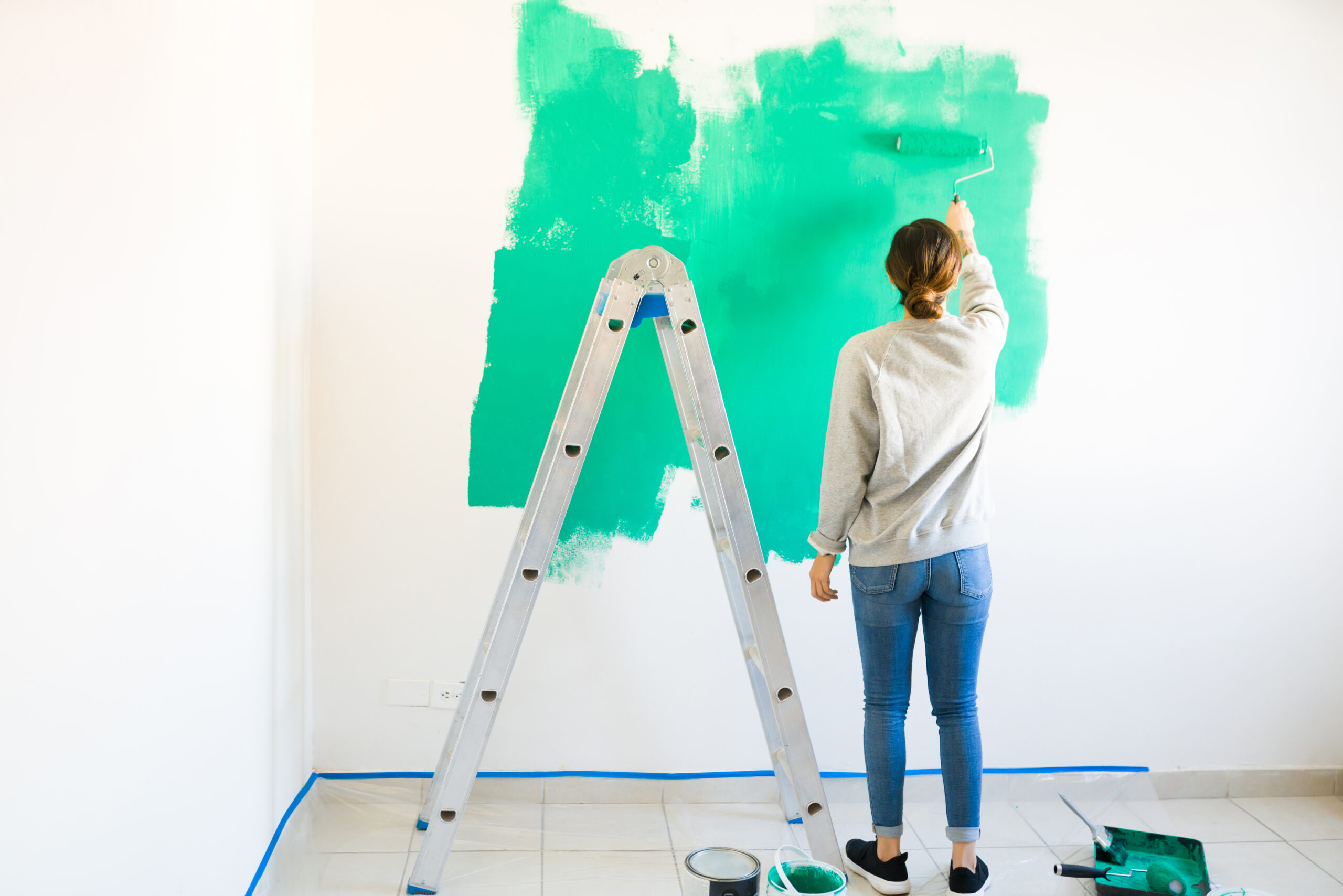
Paint: The quickest and cheapest way to create a bold look. A solid color takes a single afternoon, while taped geometric shapes or a two-tone color block add custom geometry using nothing more than extra painter’s tape and a level.
Wallpaper: Create an instant pattern and texture that paint can’t. A peel-and-stick panel is perfect for a smooth wall and a quick, easy, removable upgrade. Traditional wallpaper, on the other hand, offers superior durability and handles wall imperfections better.
Wood Paneling: Board and batten or horizontal shiplap gives a flat wall real three-dimensional shadow lines. It requires basic carpentry tools to finish the work cleanly and suits those looking for a more permanent upgrade.
Tools and Materials You’ll Need
| Method | Materials Checklist | Tools Checklist | Where to Find It |
| Paint & Surface Prep | Drop cloths, painter’s tape, spackle, medium-grit sanding sponge, primer, accent paint | Putty knife, 2-inch angled brush, roller frame and covers, paint tray, extension pole, step ladder. | Paint & Sundries |
| Geometric / Two-Tone Paint | Delicate-surface painter’s tape, extra accent colors | Laser level or 4-foot spirit level, pencil, measuring tape. | Paint & tools |
| Wallpaper | Wallpaper rolls, wallpaper primer/sizing, paste (for traditional paper) | Plastic smoothing tool, sharp utility knife, level, sponge. | Paint |
| Wood Paneling | MDF or wood boards, brad nails, construction adhesive, wood filler, paintable caulk | Miter saw, brad nailer (or hammer and nail set), stud finder, 4-foot level, caulk gun. | Hand & Power tools |
Take a look at our guide, List of Tools Everyone Should Own, to make sure you have all the essentials before you start on your upgrades.
How to Paint an Accent Wall Step by Step
Step 1: Clear the Room and Protect Floors and Trim
First, clear the area for the project. This includes moving furniture so that you have enough walking and working space. Also unscrew outlet covers and light switch plates, tape over the outlets, and lay a canvas drop cloth tight against the baseboard to ensure safety and keep drips off your flooring.
Step 2: Clean, Patch, and Lightly Sand the Wall
Clean the wall with a damp sponge and mild soap to remove dust, grease, and other contaminants so the paint sticks effectively. Using a putty knife and spackle, fill nail holes and small dings, and lightly sand the patches with a fine-grit sanding sponge before wiping away the dust.
Lead Safety Check:
If you have an older house (built before 1978), test existing paint before continuing sanding or scraping. According to the U.S. Environmental Protection Agency (EPA), homes built prior to 1978—especially before 1960—frequently contain lead paint beneath newer coats.
Across Pennsylvania, nearly half of owner-occupied homes were built in 1979 or earlier, with many western Pennsylvania communities having an even higher share of pre-1950 housing. For these reasons, use wet-sanding methods, wear a NIOSH-certified respirator, and review the EPA Lead-Safe Renovations for DIYers guide before working on older surfaces.
Step 3: Tape the Edges of Adjoining Walls and Ceiling
Use strips of painter’s tape along the ceiling line, baseboard, window casing, and the inside corners of the two adjoining walls. Press the edge of the tape down firmly with a putty knife or fingernail to prevent paint bleed.
Step 4: Prime If You’re Going Dark Over Light (or Covering Patches)
If you’re covering spackled drywall repairs, staining, or changing to a deep, saturated shade such as navy, forest green, or burgundy, roll on a coat of primer. Using a gray-tinted primer under rich dark colors helps the topcoat reach true color in two coats instead of three or four.
Step 5: Cut In the Corners and Edges With a Brush
Dip a 2-inch angled brush about a third of the way into your paint, tap off the excess, and paint a smooth 2- to 3-inch border along the ceiling, baseboard, trim, and taped corners. Work in manageable three-foot sections so the brushed edge stays wet when you start rolling.
Step 6: Roll the Wall, Then Apply a Second Coat
Use a roller to apply the main coat in a “W” or “M” pattern, then finish each section with light, top-to-bottom strokes to blend roller lines. Before continuing with the second coat, let the first one dry for around two to four hours, then apply the second full coat.
While you’re painting and drying, make sure you provide ample fresh air in the room. According to the EPA VOC indoor guidelines, open the windows and use a fan to blow air out during the process and two to three days afterward to clear the vapor.
Step 7: Pull the Tape and Touch Up
Pull the tape slowly at a 45-degree angle while the second coat is still tacky to prevent dried paint from tearing along the seam. If there’s a tiny speck that sneaks past the tape, wait for the wall to dry, then touch it up using a small brush.
Step 8: Let It Cure Before Hanging Art or Shelves (follow the label)
While paints may feel dry after a few hours, the latex can take days or even weeks to fully cure. So check the product’s label for the exact curing time before putting furniture, shelves, or art back against the wall.
How to Paint a Geometric or Two-Tone Accent Wall
Start with a dry, cured base coat (your main wall color), and use a laser level to lay out the tape lines. You have two ways to go about it: a simpler way with a half-wall (one straight line across the middle, painting the bottom half darker), or paint a wide color-block stripe behind the bed or desk, or criss-cross tape into geometric triangles.
Before using a new accent color, gently brush a thin coat of the old base color right over the edge of the tape and let it dry. This helps fill tiny bumps in the wall so the paint doesn’t bleed out. Once it’s dry, apply two coats of your accent shade and peel the tape off while it’s still tacky to create clean, razor-sharp lines.
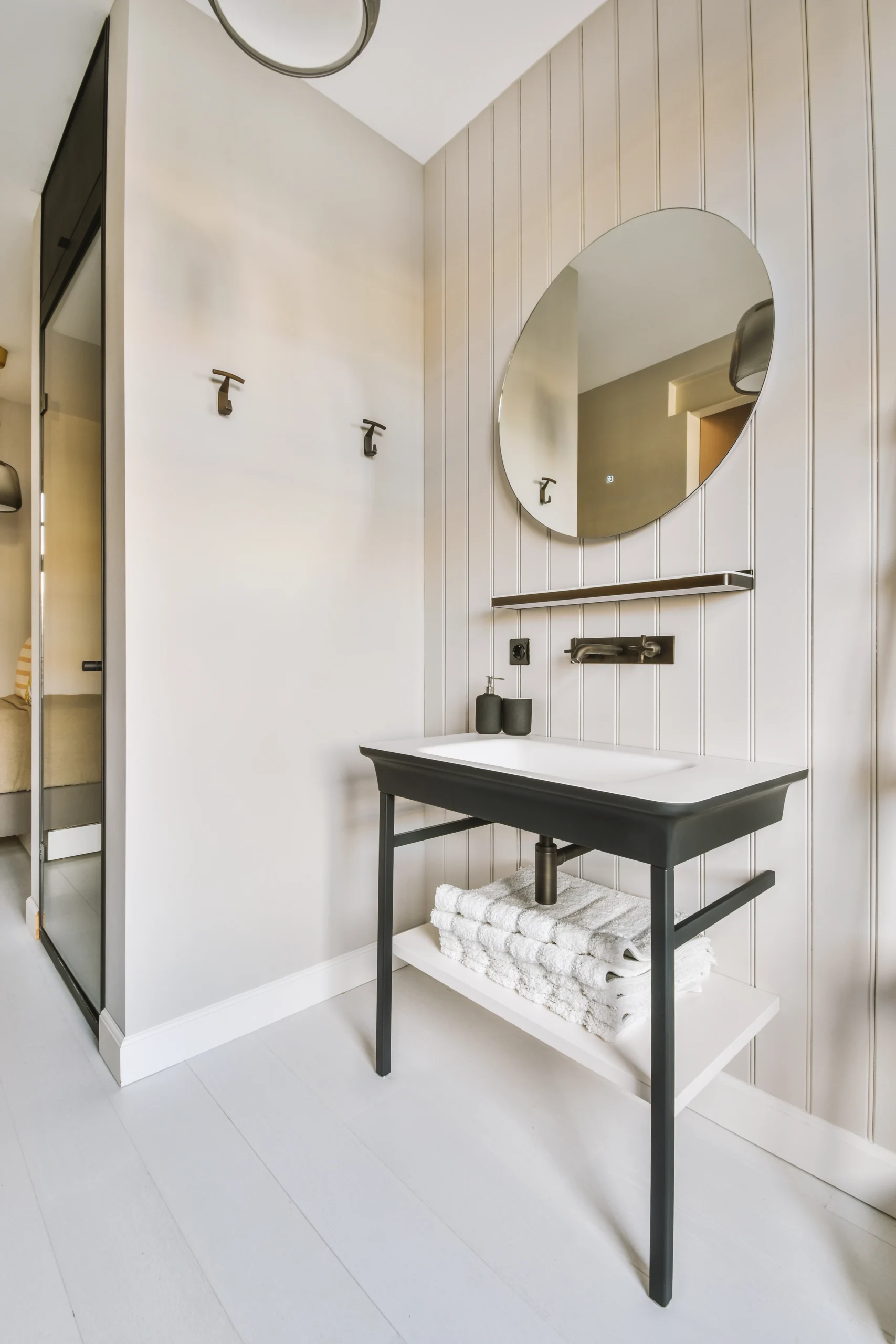
How to Add a Board-and-Batten or Shiplap Accent Wall
If you want to create a texture that stands out from the wall, a board-and-batten or shiplap accent wall is a great option.
Start by painting the wall before you install any wood panels. Once the wall is dry, follow these steps:
- Measure the width and use a pencil to mark where each wood strip or plank will go.
- Run a stud finder across the wall and mark the wooden beams hidden behind the drywall so your nails have something solid to grip.
- Cut and attach the wooden boards. Use a strong glue behind the boards and nail them in place using a level to keep everything in line.
- To make the wood look built-in rather than tacked on, fill nail holes and caulk seams.
- Apply primer onto bare wood or filled spots, and then apply two coats of your accent paint to blend everything seamlessly.
Wallpaper Accent Walls: Peel-and-Stick vs. Traditional
One of wallpaper’s biggest advantages is that it can add bold prints and texture that paint simply cannot match. A peel-and-stick wallpaper acts like a giant sticker. To apply it, you simply peel off the backing paper and smooth it onto the wall. This makes this particular type of wallpaper a great option if you live in a rental.
A traditional wallpaper, on the other hand, requires a lot more effort. However, its durability is no match. Also, it can hide bumps and other wall imperfections really well.
Whichever wallpaper types you prefer, make sure to have the right preparation before you start working on the project.
- Clean the wall and apply primer before applying a coat of wallpaper. This helps the wallpaper stick evenly and prevents damaging the paint on the wall.
- Use a level to help draw a straight up-and-down line close to the center of the wall. Hang your first strip right along that line, and work outward toward the edges.
- Before pressing a new strip flat, slide it up or down until the design matches the strip beside it. Always order one extra roll more than your wall measurements suggest so you have plenty of wiggle room to match patterns and trim the top and bottom edges.
Frequently Asked Questions
Which wall should be an accent wall?
Choose a wall that is already the focal point at home. This includes walls framing a fireplace, TV, or behind the bed’s headboard. Avoid those walls that are broken up or interrupted by windows or closet doors.
Should an accent wall be lighter or darker than the other walls?
It can be either. If the dominant color in the room is light (such as white or beige), adding a darker color can accentuate the space. Similarly, if the other walls are darker, choose lighter shades to help light bounce around.
Can a room have more than one accent wall?
Sure. However, it can make the room feel busy and distract the eye, which goes against the point of an accent wall–to give the area an anchor and provide the eyes a specific place to focus. Therefore, we recommend sticking to just one accent wall.
Are accent walls still in style?
Yes. Accent walls are one of the trendiest home improvement ideas in 2026. An accent wall requires little effort and budget compared to major renovations, but it can create a significant fresh look.
How long does an accent wall take to dry?
Depending on the product. Some take a few days to weeks. Make sure you check the product’s label for the exact details. Letting the walls fully cure before putting back furniture or shelves helps prevent ruining the paint job.
Can you put an accent wall in a rental?
Yes. The best way to accent a wall in a rental home is to use peel-and-stick wallpaper, because it’s easy to remove, like a giant sticker. These types of wallpaper still do an effective job of creating an accent wall.
Get Everything You Need for How to Create an Accent Wall at Johnson’s Ace Hardware!
Are you ready to freshen up your space by adding an accent wall? If you have established the potential wall in your home for the project, head over to the Norvelt store to buy all you need, from paint to tape to rollers and tools.
If you need help with paint matching or have any questions relating to the project, call us or visit us directly. our team at Johnson’s Ace is ready to help anytime.
Recent Comments